BUY CUBAN CIGARS ONLINE
From Cohiba to rare collector editions, buy Cuban cigars with fast delivery
A Brief History of Cuban Cigars
The story of Cuban cigars begins in the early 16th century, when indigenous Taino people first introduced tobacco to European explorers.
By the 1700s, Cuba had established itself as the global heart of premium cigar production, with Havana becoming synonymous with luxury tobacco. Over the centuries, Cuban master blenders perfected the art of selecting, fermenting, and rolling tobacco leaves grown in the island's rich, mineral-laden soil - particularly in the celebrated Vuelta Abajo region of Pinar del Río.
As cigar culture flourished worldwide, Cuba's iconic factories - such as Partagas (est. 1845), H. Upmann (est. 1844), and La Corona (est. 1848) - emerged as benchmarks for excellence, innovation, and tradition. The island's cigars became prized by royalty, statesmen, and aficionados alike, revered for their complexity, balance, and unmistakable Cuban character.
Browse Brands
- Aging Room
- A.J. Fernandez
- Aladino
- Alec Bradley
- Arturo Fuente
- Bolivar
- Brick House
- Buenaventura
- Casa Turrent
- Cavalier Geneve
- Charatan
- Cohiba
- Conquistador
- Davidoff
- Drew Estate
- Diplomaticos
- EIROA
- E.P. Carrillo
- Flor de Cano
- Gurkha
- H.Upmann
- Hoyo de Monterrey
- Joya de Nicaragua
- Karen Berger
- Kristoff
- La Flor Dominicana
- La Galera
- Macanudo
- Montecristo
- My Father
- Oliva
- Oscar Valladares
- Padrón
- Partagas
- Perdomo
- Perla del Mar
- Plasencia
- Punch
- Quai D'Orsay
- Ramon Allones
- Rocky Patel
- Romeo y Julieta
- Trinidad
OUR CUBAN CIGARS RANGE








Frequently Asked Questions
- What Cuban cigars can I buy online in the UK?
- Fine Cigars Club stocks authentic Cuban cigars from Cohiba, Montecristo, Partagas, Romeo y Julieta, Hoyo de Monterrey, Bolivar, H. Upmann, Diplomaticos, Ramon Allones, Quai d'Orsay, Punch, Trinidad and Flor de Caño, all sourced through authorised UK importers.
- Are Cuban cigars legal to buy in the UK?
- Yes, Cuban cigars are completely legal to buy, sell and smoke in the UK. Fine Cigars Club sources all Cuban cigars through authorised importers, and many carry the EMS (English Market Selection) stamp confirming additional UK quality checks.
- How much do Cuban cigars cost?
- Cuban cigars at Fine Cigars Club range from around £20 for smaller formats up to £75 or more for premium robustos and limited editions. Boxes are also available for regular smokers.
- What is the best Cuban cigar for beginners?
- We recommend the Hoyo de Monterrey Epicure No.2, H. Upmann Regalias or Diplomaticos No.2 — all mild to medium-bodied cigars with approachable flavour profiles.
- Do you deliver Cuban cigars worldwide?
- Yes. Fine Cigars Club offers UK and worldwide delivery on all Cuban cigars. UK orders over £50 qualify for free delivery.

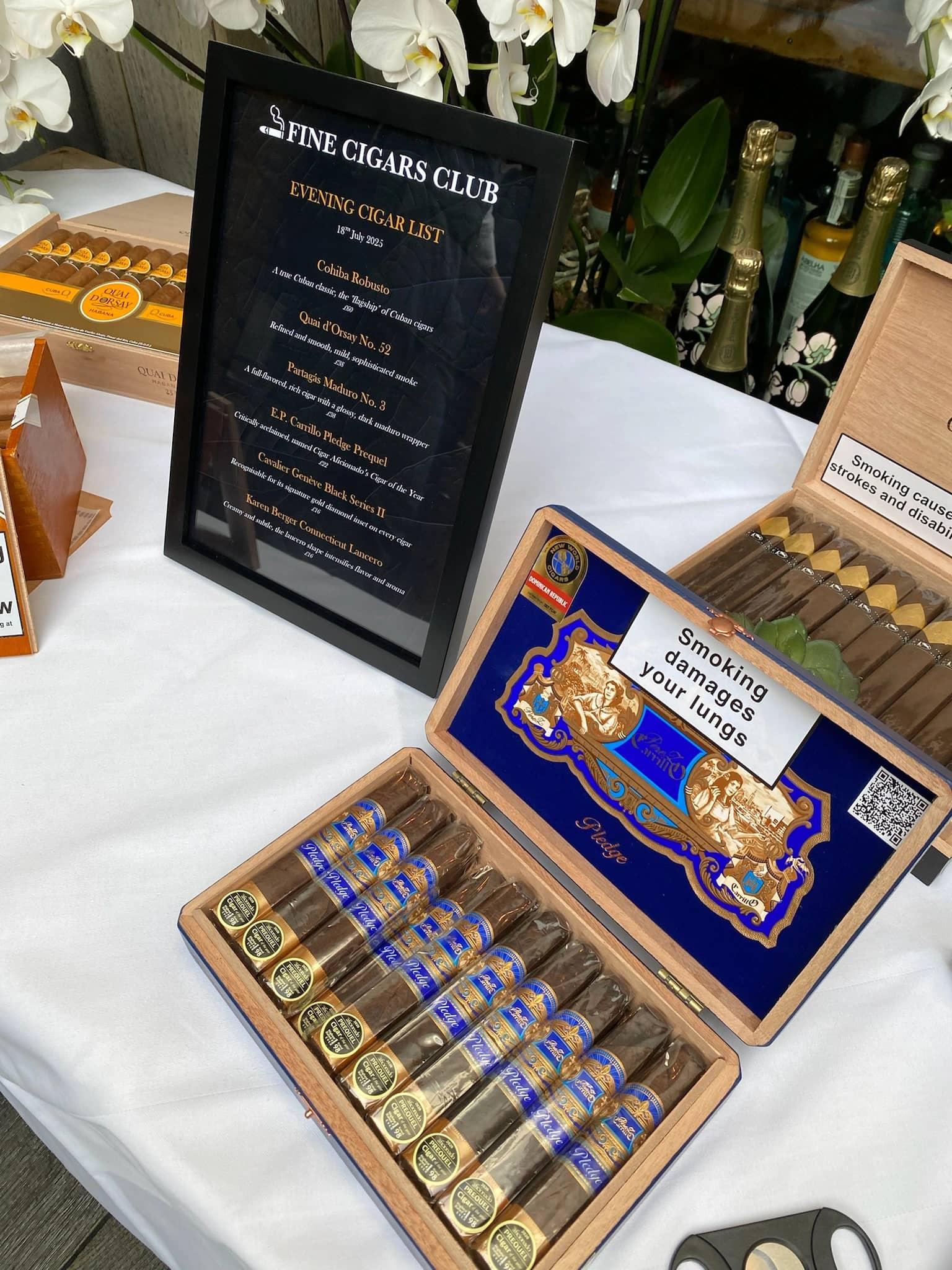

Why Buy Cigars From Fine Cigars Club?
Extensive Selection
Cuban, New World, boutique, and rare cigars; all sizes and profiles
Expert Advice
Tasting notes, pairing recommendations to help you buy confidently
Authenticity
100% genuine cigars sourced from leading UK importers
On-Request Sourcing
Get in touch - if you want a cigar or accessory that's not on our site, we'll source it for you at unbeatable prices
UK Lowest Prices
Unbeatable prices, our margins are low, so you pay less
International Shipping
Secure checkout, fast delivery, easy online ordering
Why Buy Cigars From Fine Cigars Club?
Extensive Selection
Cuban, New World, boutique, and rare cigars; all sizes and profiles
Authenticity
100% genuine cigars sourced from leading UK importers
Cheapest Cigars In The UK
Unbeatable prices, our margins are low, so you pay less
Expert Advice
Tasting notes, pairing recommendations to help you buy confidently
On-Request Sourcing
Get it touch - we'll source any cigar or accessory at unbeatable prices
International Shipping
Secure checkout, fast delivery, easy online ordering
There's More To Our Story

At Fine Cigars Club, we offer more than cigars - enthusiasts come together, savour quality, and appreciate the artistry involved
About Us
Find out more about our cigar events including dinners, pairings and much more
News & Events
Discover membership perks - earn points and enjoy discounts, redeem rewards
Membership
Discover our cigar smoking guide, we cover best practices for cutting and lighting cigars
Cigar Guide